NEXOCLIP
Deja de pagar editores.
Empieza a publicar clips virales todos los días.
Convierte un stream de 4 horas en 20+ clips listos para publicar, en minutos.
NexoClip encuentra los mejores momentos, crea hooks, subtítulos, captions, hashtags, recorta para cada plataforma, y agenda todo automáticamente.
Tú transmites.
NexoClip hace el resto.
o subir un archivo · Tu primer stream gratis. Sin tarjeta.
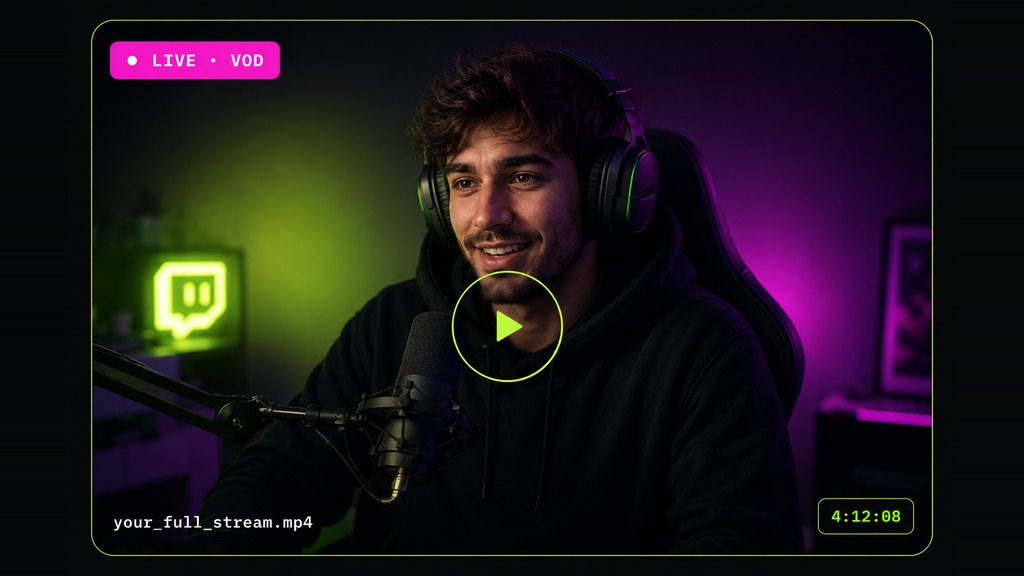
● EN VIVO · VOD
tu_stream_completo.mp4
4:12:08
-
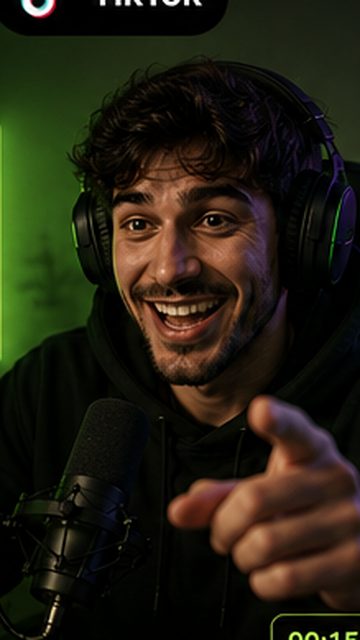 TikTok
"No vas a creer lo que pasó…"
Score
97
TikTok
"No vas a creer lo que pasó…"
Score
97
-
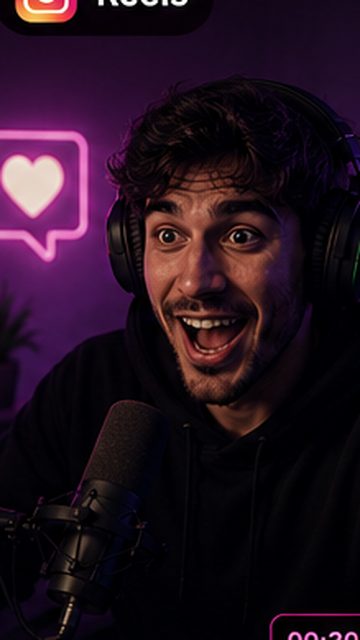 Reels
El momento más viral del directo
Score
99
Reels
El momento más viral del directo
Score
99
-
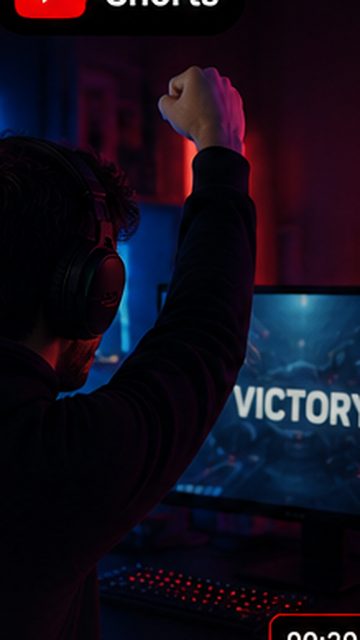 Shorts
La reacción que lo rompió todo
Score
95
Shorts
La reacción que lo rompió todo
Score
95
-
 Kick
Clip que pediste con "clipea eso"
Score
98
Kick
Clip que pediste con "clipea eso"
Score
98
-
 Twitch
Highlight con subtítulos automáticos
Score
96
Twitch
Highlight con subtítulos automáticos
Score
96
↑ 1 stream → 5 plataformas → clips puntuados por potencial viral, automáticamente
Recorte con IA
Subtítulos automáticos
Reencuadre 9:16
Hooks y títulos
Hashtags
Programación multiplataforma
TikTok
Instagram Reels
YouTube Shorts
Twitch VODs
Kick Streams
Editar clips te está matando el crecimiento.
Cada stream genera contenido.
Casi ningún creador llega a publicarlo.
Porque editar lleva:
- Horas de clipping
- Horas de captions
- Horas de miniaturas
- Horas de publicar
O cientos de dólares al mes en editores.
Mientras tanto el stream ya está muerto.
NexoClip lo arregla.
Sube el stream.
→
Recibe los clips.
→
Publica.
→
Listo.
Un stream.
Contenido infinito.
Un solo stream se convierte en:
Clips virales
Hooks
Títulos
Captions
Hashtags
Shorts
Reels
TikToks
Sin tocar Premiere.
Sin contratar editores.
Sin aprender nada.
¿Cuánto cuesta un editor?
Editor freelance
$300 – $1.500 / mes
Agencia
$1.000 – $5.000 / mes
- Una fracción del costo.
- Trabaja 24/7.
- Nunca duerme.
- Nunca se pierde un stream.
- Nunca se va de vacaciones.
Imagínate despertar con esto.
Terminas de transmitir a medianoche.
Te vas a dormir.
Cuando despiertas:
- 17 clips generados
- Mejores momentos identificados
- Hooks escritos
- Captions creados
- Agendados para TikTok
- Agendados para Reels
- Agendados para Shorts
Tu máquina de contenido nunca paró de trabajar.
Más clips = más chances de hacer viral
Los creadores que publican constante crecen más rápido.
El problema no es el talento.
El problema es el output.
NexoClip convierte cada stream en una fábrica de contenido.
Todo lo que necesitabas un editor para hacer.
Automático. Cada noche.
Encuentra tus momentos virales solo
NexoClip analiza cada segundo de tu stream e identifica los clips con más chances de pegar. Sin revisar nada a mano.
No vuelves a escribir un título
Recibe varias opciones de título viral para cada clip. Elige una con un clic.
Sáltate las partes aburridas
Ve directo a los momentos más divertidos, ruidosos, emocionantes y que más enganchan.
Clipea momentos al instante
Di: clipea esto. Y NexoClip lo recuerda automáticamente.
Tu contenido siempre se ve on-brand
Logos. Fuentes. Colores. Captions. Todo aplicado automáticamente.
Publica mientras duermes
Programa clips automáticamente en todas las plataformas. Revisa o deshaz cuando quieras.
Transmite más.
Edita menos.
Crece más rápido.
Convierte un stream en 20 piezas de contenido.
Por fin haz crecer tu canal sin contratar un editor y sin pasarte 4 horas al día cortando clips.
Subir mi primer stream
Gratis. Sin tarjeta.
Preguntas frecuentes
¿En qué se diferencia NexoClip de un editor de clips?
Los editores te dan una línea de tiempo con manijas para recortar. NexoClip va un paso antes: la IA puntúa cada clip por potencial viral, genera el hook, aplica el brand kit correcto y lo programa con ventana para deshacer. Tu trabajo cambia de "encontrar y cortar" a "elegir el top 3 de la IA y dejar que se publique". El editor sigue ahí — pero casi ninguna mañana lo vas a abrir.
¿Para quién es NexoClip?
Streamers que quieren los clips listos para la mañana. Colectivos multi-host que necesitan branding por streamer dentro de un mismo VOD. Agencias que hacen clips para varios creadores en paralelo. Agentes / clientes MCP que quieren manejar el pipeline de forma programática.
¿Necesito una GPU?
Una GPU de consumidor (RTX 4060 o mejor, recomendada) maneja Whisper + pyannote cómodamente para VODs de ~4 horas. Solo con CPU funciona para clips cortos, pero bastante más lento.
¿Qué LLM usa NexoClip?
Anthropic Claude en exclusiva para todo lo que ves en vivo. El router permite sumar más proveedores sin tocar el código.
¿Los agentes de IA pueden manejar NexoClip?
Sí. NexoClip incluye un servidor MCP para Claude Code, Cursor y otros clientes LLM. Detalles técnicos en
/agents.
¿Qué pasa con la retención y la privacidad?
Ventanas de retención por tenant (por defecto 7 días para VODs, 90 para clips, 365 para transcripciones) — todo configurable. El audio y el video se quedan en tu máquina para transcribir; solo la generación de captions con LLM sale hacia afuera.
¿Hay una API directa que pueda llamar?
Sí.
Spec OpenAPI +
Swagger UI interactivo. Generas un token con
nexoclip tokens issue --tenant <id> --scope full y lo pasas como
Authorization: Bearer <token>.